

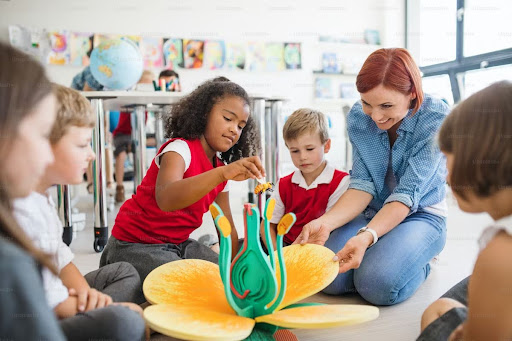
Social development is one of the most important parts of early childhood, and the environment your toddler grows up in plays a major role in shaping their ability to interact with others. A quality care facility does more than simply supervise your child—it creates the foundation for communication, empathy, and cooperation. If you want your toddler to become confident and socially aware, placing them in the right environment can make a huge difference.
Here are five ways a care facility can help your toddler learn to socialize effectively.
1. Structured Social Interaction at a Daycare Center
A well-managed daycare center is designed to naturally encourage interaction among children. Toddlers participate in group activities, shared playtime, and team-based learning exercises that help them understand social boundaries and develop people skills.
Playing alongside children their own age teaches them to communicate, share toys, and solve simple conflicts. These interactions help toddlers build essential social habits at an early age, making the daycare a strong foundation for their emotional and social growth.
2. Everyday Social Skills Through Quality Child Care
Professional child care goes beyond basic supervision. Caregivers intentionally guide toddlers through daily routines that teach them patience, cooperation, and emotional expression. Whether it’s waiting their turn during snack time or asking politely for help, children begin to understand the rules of social behavior.
Skilled caregivers also model kindness and good manners, giving toddlers a clear example to follow. This creates a nurturing environment where children learn how to show empathy, respond to others, and communicate their needs properly.
3. Group Play Activities That Build Confidence
One of the biggest benefits of a care facility is its variety of structured and unstructured play activities. From building blocks to group storytelling and music sessions, each activity encourages toddlers to engage with their peers.
Group play helps shy children come out of their shells and allows more confident children to practice leadership skills in a healthy way. Through playtime, toddlers discover how to express themselves, negotiate roles, and understand teamwork—skills that lay the foundation for strong relationships later in life.
4. Exposure to Diversity and Different Personalities
Care facilities bring together children from different families, backgrounds, and temperaments. This exposure teaches toddlers to appreciate diversity and understand that not everyone thinks or acts the same way.
Learning to interact with children who have different personalities promotes flexibility, acceptance, and open-mindedness. These early experiences prepare toddlers for future school environments where they will meet a variety of peers and need strong social adaptability.
5. Encouragement of Sharing and Cooperative Behavior
Sharing is a core part of social development, but it doesn’t always come naturally to toddlers. Care facilities help children practice sharing through guided play and group tasks.
Activities such as passing around art supplies, taking turns on playground equipment, or collaborating on simple projects teach toddlers how to cooperate and respect others. Caregivers gently reinforce positive behavior, helping children understand the importance of fairness and teamwork.
A care facility provides the perfect environment for toddlers to develop essential social skills that shape their future interactions. With structured routines, nurturing caregivers, and daily opportunities to communicate and share, your child learns confidence, empathy, and cooperation—skills that will benefit them for years to come.
