

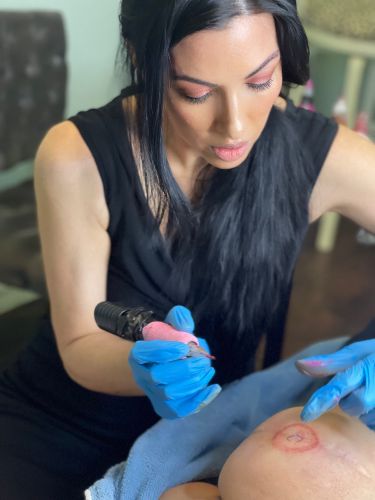
A mastectomy is often a life-saving procedure, but its effects extend far beyond the operating room. For many individuals, the journey through breast cancer treatment involves physical recovery, emotional healing, and adjusting to significant changes in body image. While modern breast reconstruction techniques can restore the shape and contour of the breast, many patients feel that the reconstruction is not fully complete until the nipple and areola have been recreated. This is where 3D Areola tattoo in Reno has become an important advancement in paramedical tattooing.
Using specialized pigments, detailed shading, and artistic techniques, 3D areola tattooing creates the illusion of a natural nipple and areola on flat skin. Although it is a cosmetic procedure, many patients describe it as an important milestone in their recovery—one that helps restore confidence, supports emotional healing, and provides a sense of completion after a challenging medical journey.
Understanding 3D Areola Realism
A 3D areola tattoo is a specialized form of paramedical tattooing that recreates the visual appearance of the nipple and areola following breast surgery.
Instead of physically reconstructing a nipple, skilled practitioners use:
- Customized pigment blending
- Soft shading
- Highlights
- Fine detailing
- Optical illusion techniques
Together, these methods create a remarkably realistic three-dimensional appearance while the skin itself remains flat.
Why Many Patients Choose Areola Tattooing
Breast reconstruction can successfully restore breast volume and shape, but some patients feel that the absence of a nipple and areola leaves the reconstruction feeling unfinished.
For many individuals, 3D areola tattooing provides:
- A more natural appearance
- Improved visual symmetry
- Personalized restoration
- Greater satisfaction with reconstruction
- A meaningful final step in recovery
Choosing the procedure is a personal decision, and every patient’s goals are different.
The Emotional Impact of Mastectomy
Beyond the physical effects, a mastectomy can influence how a person feels about their body.
Many patients experience emotions such as:
- Grief
- Anxiety
- Uncertainty
- Loss of confidence
- Changes in self-image
These feelings are completely personal and vary widely. Emotional recovery often continues long after surgical wounds have healed.
Restoring More Than Appearance
Although a 3D areola tattoo restores visual anatomy, many patients feel its benefits extend beyond cosmetic improvement.
Some individuals describe feeling:
- More comfortable looking in the mirror
- More confident wearing fitted clothing
- More satisfied with their reconstruction
- Better able to move forward after treatment
Others may choose different restorative options or no further procedures, and those decisions are equally valid.
A Personalized Approach
Every reconstruction is unique, which is why modern areola tattooing is highly individualized.
Before treatment, the practitioner evaluates:
- Skin tone
- Breast shape
- Scar tissue
- Surgical results
- Personal preferences
- Symmetry
This customized planning helps ensure that each tattoo complements the patient’s anatomy rather than following a standard design.
The Art Behind the Realism
Creating a lifelike areola requires advanced artistic skills combined with medical knowledge.
Experienced paramedical tattoo artists carefully apply:
- Layered pigments
- Soft shadows
- Bright highlights
- Natural color gradients
- Delicate texturing
These techniques create depth and realism that closely resemble a natural nipple and areola.
Working with Scar Tissue
Most mastectomy patients have some degree of scar tissue following surgery.
Scar tissue differs from healthy skin because it may:
- Absorb pigment differently
- Heal at a different pace
- Display altered texture
- Reflect light differently
Experienced practitioners modify their techniques to work effectively with reconstructed skin while producing balanced, natural-looking results.
Customized Color Matching
Natural-looking results depend heavily on accurate pigment selection.
Rather than relying on a single color, practitioners often blend several pigments after evaluating:
- Skin tone
- Warm or cool undertones
- Existing pigmentation
- Scar characteristics
- Healing patterns
This personalized approach allows the tattoo to blend seamlessly with surrounding skin.
The Consultation Process
Every successful restoration begins with a comprehensive consultation.
During this appointment, the practitioner typically discusses:
- Medical history
- Surgical procedures
- Healing progress
- Scar maturity
- Desired appearance
- Realistic expectations
Patients also have an opportunity to ask questions and participate in designing their personalized treatment plan.
Healing After the Procedure
Recovery following a 3D areola tattoo is generally straightforward.
Most patients experience:
- Mild redness
- Slight swelling
- Temporary tenderness
- Darker initial pigmentation
Over several weeks, the tattoo gradually softens as pigments settle into the skin.
Carefully following aftercare instructions helps support healthy healing and long-lasting results.
Choosing the Right Medical Tattoo Artist
Selecting an experienced practitioner is one of the most important parts of the restoration process.
Look for someone who has:
- Specialized paramedical tattoo training
- Experience with breast reconstruction patients
- Knowledge of scar tissue
- Advanced color theory skills
- Strong hygiene standards
- A portfolio of healed restorative work
An experienced artist combines technical expertise with compassion and attention to detail.
Long-Term Results
Although 3D areola tattoos are designed to last for many years, they naturally fade over time due to skin renewal and environmental exposure.
Long-term maintenance may include:
- Protecting the tattoo from excessive sunlight
- Following recommended skincare guidance
- Scheduling touch-up appointments if needed
Routine maintenance helps preserve realistic color and definition.
Looking Toward the Future
Advances in paramedical tattooing continue to improve the quality of breast restoration.
Innovations in:
- Pigment technology
- Precision equipment
- Scar camouflage
- Color matching
- Practitioner education
are making treatments increasingly personalized and realistic, giving patients more restorative options than ever before.
Conclusion
A mastectomy can bring lasting changes that affect both physical appearance and emotional well-being, and every person’s path to healing is unique. For many individuals, 3D areola realism offers a meaningful way to complete breast reconstruction by restoring the appearance of the nipple and areola with exceptional artistry and precision. Through customized color matching, advanced shading techniques, and individualized treatment planning, skilled paramedical tattoo artists create natural-looking results that complement each patient’s anatomy and surgical outcome.
While a 3D areola tattoo cannot erase the experiences that led to reconstruction, it can represent an important milestone in the healing process. By helping many patients feel more comfortable with their appearance and more satisfied with their reconstruction, this specialized form of medical tattooing continues to play an increasingly valuable role in modern post-mastectomy care. Whether chosen as the final step in reconstruction or as part of a broader journey of recovery, 3D areola realism empowers individuals to move forward with renewed confidence and a greater sense of wholeness.
